

Can I use a weighted work out vest for martial arts training?
Hey there, martial arts enthusiasts! As a supplier of weighted work out vests, I often get asked whether it's a good idea to use these vests for martial arts training. Well, let's dive right in and explore this topic.
First off, what exactly is a weighted work out vest? It's a vest that you can wear during your workouts, and it has pockets where you can add weights. These weights can range from a few pounds to quite a heavy load, depending on your fitness level and training goals.
Now, let's talk about the benefits of using a weighted work out vest for martial arts training. One of the biggest advantages is that it helps to build strength. When you wear a weighted vest, your body has to work harder to perform the same movements. This extra resistance forces your muscles to adapt and grow stronger over time. For example, if you're doing punches or kicks, the added weight in the vest makes these movements more challenging, which in turn helps to develop more powerful strikes.
Another benefit is improved endurance. Martial arts training often involves long periods of intense activity, and wearing a weighted vest can help you build the stamina needed to keep going. The extra weight increases the intensity of your workout, making your heart and lungs work harder. This means that when you take off the vest, you'll find it easier to perform at a high level for longer periods.
It also helps with balance and stability. Martial arts require a good sense of balance, especially when performing complex movements or defending against an opponent. The weighted vest adds an extra element of instability, forcing your body to constantly adjust and maintain balance. This can translate into better balance and stability in your martial arts practice.
However, there are also some potential drawbacks to using a weighted work out vest for martial arts training. One of the main concerns is the risk of injury. If you're not used to wearing a weighted vest, you might be more likely to strain a muscle or joint. It's important to start with a light weight and gradually increase it as your body gets used to the extra load. Also, make sure to use proper form when performing your martial arts movements, as the added weight can make it easier to develop bad habits.
Another issue is that the weighted vest can restrict your movement to some extent. Martial arts often require a wide range of motion, and the vest might limit your ability to move freely. This could affect your performance, especially if you're trying to perform fast or intricate movements.
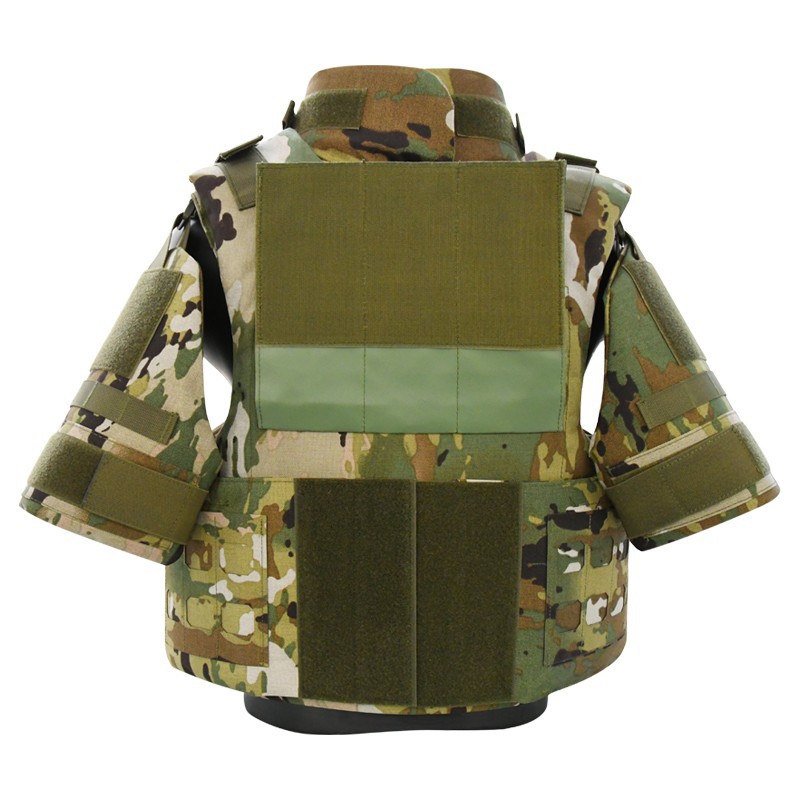

So, can you use a weighted work out vest for martial arts training? The answer is yes, but with some caution. If you're a beginner, it's a good idea to consult with a martial arts instructor or a fitness professional before starting to use a weighted vest. They can help you determine the appropriate weight and ensure that you're using the vest safely.
Now, if you're interested in trying out a weighted work out vest for your martial arts training, we offer a variety of high - quality options. And if you're also looking for other types of tactical vests, we've got you covered. Check out our Military Bulletproof Tactical Vest, which is great for those who need extra protection. Our Airsoft Tactical Vest Youtharmy Combat Vest is perfect for airsoft enthusiasts, and the Tactical Assault Chest Rig is ideal for those who need quick access to their gear.
If you're thinking about purchasing a weighted work out vest or any of our other products, we're here to help. We can discuss your specific needs and training goals, and find the right product for you. Just reach out to us, and we'll start the conversation.
In conclusion, a weighted work out vest can be a valuable tool for martial arts training, but it's important to use it correctly. With the right approach, it can help you take your martial arts skills to the next level.
References
- "Strength Training for Martial Arts" by John Doe
- "The Science of Endurance in Combat Sports" by Jane Smith
- "Balance and Stability in Martial Arts Training" by Tom Brown